Numeracy programs have become an integral part of early childhood education, weaving their way into the fabric of young learners’ experiences.
In a world increasingly driven by data and numbers, equipping children with strong numeracy skills is more important than ever.
But beyond the practical applications, numeracy programs have the power to shape young minds in profound ways, fostering confidence, critical thinking, and a genuine love for learning.
The journey of a child through a numeracy program often begins with playful exploration. Young learners are naturally curious, eager to engage with the world around them. Numeracy programs harness this curiosity, providing opportunities for children to explore numbers and patterns in a way that feels organic and enjoyable. Through hands-on activities, such as counting objects, measuring ingredients for a recipe, or sorting shapes, children begin to understand the fundamental concepts of mathematics while having fun. This playful approach not only makes learning enjoyable but also lays the groundwork for a positive relationship with numbers.
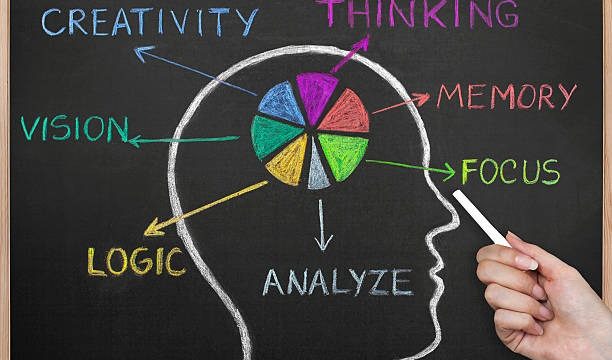
As children delve deeper into numeracy, they begin to develop essential skills that extend beyond mere calculations. Problem-solving becomes a central focus, as educators encourage students to think critically about challenges they face. For instance, while navigating a math puzzle or a real-world scenario, children learn to analyze information, consider various strategies, and arrive at solutions. These skills are invaluable, not only in mathematics but in everyday life, where decision-making and critical thinking play a significant role.
Moreover, numeracy programs often emphasize collaboration. Children frequently work in pairs or small groups, sharing ideas and strategies. This collaborative environment nurtures communication skills and fosters a sense of community among young learners. As they discuss their thought processes and explore different approaches to a problem, they learn to value diverse perspectives. This social aspect of learning helps children build interpersonal skills that will serve them well throughout their lives, encouraging them to be open-minded and adaptable.
A small shift toward balance occurs when children begin to see the interconnectedness of numeracy with other areas of learning. For example, integrating art into math lessons can enhance a child’s understanding of shapes and symmetry while also allowing them to express creativity. Similarly, storytelling can introduce mathematical concepts in a narrative context, making them more relatable and memorable. This holistic approach not only enriches the learning experience but also demonstrates to children that mathematics is not an isolated subject; it is a part of the world they live in.
Building confidence is another crucial aspect of numeracy programs. As children encounter and overcome challenges, they develop a sense of accomplishment that can fuel their motivation to learn. Celebrating small successes—whether it’s mastering a new concept or completing a challenging task—helps children realize that they are capable of growth and improvement. This boost in self-esteem carries over into other subjects and areas of their lives, fostering a resilient mindset that encourages them to tackle future challenges head-on.
In addition to building confidence, numeracy programs can also ignite a genuine love for learning. When children experience the joy of discovery, they are more likely to engage with their education in a meaningful way. Educators often incorporate games and interactive activities that make learning feel like an adventure. This positive association with learning can have lasting effects, instilling a lifelong passion for knowledge and exploration. Children who enjoy learning tend to be more curious, motivated, and engaged, setting the stage for a successful educational journey.
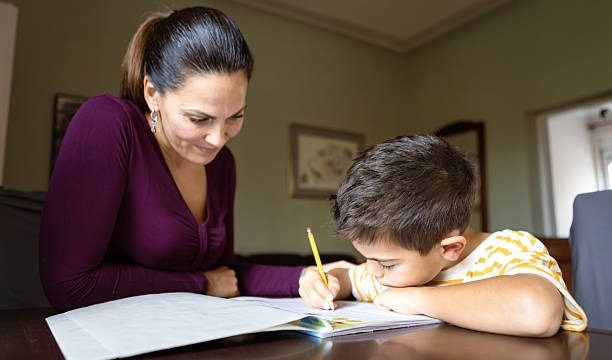
As families become involved in their children’s numeracy education, the impact of these programs expands even further. Parents and caregivers play an essential role in reinforcing the concepts learned in the classroom. Simple activities, such as counting items during grocery shopping or discussing shapes while playing at the park, can create a rich learning environment outside of school. When families engage in numeracy together, it fosters a sense of shared purpose and encourages children to see mathematics as a valuable and enjoyable part of their everyday lives.
The influence of numeracy programs also extends to cultural contexts. Different cultures approach numbers and mathematics in unique ways, and incorporating these diverse perspectives can enrich the learning experience. By exploring how various cultures interpret and use numbers, children gain a broader understanding of the world around them. This cultural awareness promotes respect and appreciation for diversity, instilling values that go beyond mathematics.
As children progress through their numeracy education, they develop a toolkit of skills that will serve them well into adulthood. The ability to think critically, solve problems, and collaborate with others are essential skills in today’s fast-paced world. Numeracy programs provide a foundation for these skills, preparing children not only for academic success but also for life beyond the classroom.
Looking ahead, the importance of numeracy programs will only continue to grow. In an increasingly digital and data-driven society, the ability to interpret numbers and make sense of information is crucial. By investing in strong numeracy education early on, we are nurturing the next generation of thinkers, innovators, and leaders.
In conclusion, numeracy programs shape young minds in ways that extend far beyond the classroom. Through playful exploration, critical thinking, collaboration, and cultural awareness, these programs nurture confident, curious, and well-rounded learners. As we continue to emphasize the importance of numeracy in education, we are not just teaching children how to count or calculate; we are empowering them to navigate the world with confidence and creativity. In fostering a love for learning and a sense of self-worth, numeracy programs truly lay the groundwork for a brighter future.