In the ever-evolving landscape of education, one of the most significant shifts has been in the way teachers and students communicate.
Gone are the days when communication was limited to chalkboards and textbooks.
Today, educators are embracing a variety of methods that not only facilitate learning but also foster deeper connections between teachers and students.
This transformation reflects a broader trend toward a more personalized and engaging educational experience.
A small shift toward balance
At the heart of modern communication methods is the realization that effective teaching goes beyond just delivering content. Educators are increasingly recognizing the importance of building relationships with their students. This involves understanding their individual needs, interests, and learning styles. By fostering a supportive environment, teachers can create a space where students feel comfortable expressing themselves, asking questions, and engaging in meaningful discussions.
One of the most notable trends in this area is the use of technology to enhance communication. With the rise of digital platforms, teachers are finding new ways to connect with their students outside the traditional classroom setting. Messaging apps, online forums, and educational platforms allow for real-time communication, enabling students to seek help or share ideas whenever they need to. This accessibility helps to break down barriers and encourages a more open dialogue.
The power of social media
Social media has also emerged as a powerful tool for teacher-student communication. Platforms like Twitter, Instagram, and Facebook offer unique opportunities for educators to share resources, engage with students, and foster a sense of community. Many teachers use social media to showcase student achievements, share relevant articles, or pose thought-provoking questions that inspire discussion. This informal communication can make teachers more relatable and approachable, creating a more inviting atmosphere for students.
However, it’s essential for educators to navigate this landscape thoughtfully. While social media can enhance communication, it also raises concerns about privacy and professionalism. Striking the right balance is crucial, and many educators are establishing clear boundaries regarding their online presence. By maintaining a professional demeanor while being accessible, teachers can create a safe space for students to connect.
Embracing the personal touch
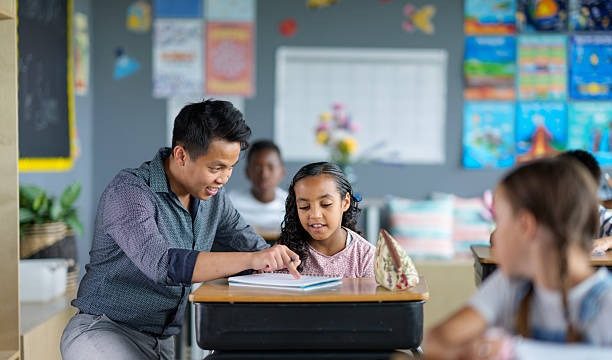
In addition to digital communication, there is a growing emphasis on personal interactions. Teachers are increasingly recognizing the value of face-to-face conversations, whether through one-on-one meetings, group discussions, or informal check-ins. These interactions provide an opportunity for students to express their thoughts and feelings in a supportive environment. The warmth of a smile or the comfort of a kind word can go a long way in making students feel valued and understood.
Moreover, educators are incorporating more collaborative projects and group work into their curricula. This not only promotes teamwork but also encourages students to communicate with each other. By working together, students learn to articulate their ideas and listen to different perspectives, which enhances their overall communication skills. This collaborative spirit can create a sense of belonging and community within the classroom, enriching the learning experience.
The role of feedback
Feedback is another critical aspect of teacher-student communication that has seen significant evolution. In the past, feedback was often limited to grades and comments on assignments. Today, educators are moving toward a more holistic approach. Instead of just pointing out what needs improvement, teachers are focusing on constructive feedback that highlights strengths and encourages growth. This shift helps students feel more motivated and engaged in their learning journey.
Additionally, many educators are embracing peer feedback as a valuable tool. Allowing students to review each other’s work fosters a sense of responsibility and collaboration. It also encourages students to reflect on their own work more critically. This two-way communication empowers students to take ownership of their learning and develop their analytical skills.
Cultivating emotional intelligence
As communication methods evolve, so does the emphasis on emotional intelligence. Teachers are becoming more attuned to the emotional needs of their students, recognizing that feelings play a significant role in the learning process. By fostering an environment where emotions are acknowledged and validated, educators can create a safe space for students to express their thoughts and feelings.
Incorporating social-emotional learning into the curriculum is a growing trend that aligns with this focus. This approach teaches students to understand their emotions, develop empathy, and build strong relationships with others. By equipping students with these essential skills, teachers are preparing them not only for academic success but also for life beyond the classroom.
Looking to the future
As we look to the future, it’s clear that the landscape of teacher-student communication will continue to evolve. The integration of new technologies, the emphasis on personal connections, and the focus on emotional intelligence are all shaping the way educators interact with their students. This ongoing transformation reflects a deeper understanding of the importance of fostering meaningful relationships in education.
In this ever-changing environment, adaptability will be key. Teachers who embrace new communication methods while staying true to their core values will be best positioned to create a positive impact on their students. By prioritizing open dialogue, collaboration, and emotional support, educators can cultivate a thriving learning community that empowers students to reach their full potential.
Ultimately, the trends in teacher-student communication are a testament to the evolving nature of education. As we navigate this exciting journey, one thing remains clear: effective communication is at the heart of successful teaching and learning. By continuing to explore new methods and approaches, we can ensure that the educational experience is not only informative but also enriching and transformative for all involved.