In today’s fast-paced world, education often feels like a race, with children hurriedly moving from one subject to the next, leaving little room for exploration and play.
Yet, the most profound learning often occurs when children engage in playful activities that spark their curiosity and creativity.
By incorporating playful education techniques into learning environments, we can create a more enriching experience that nurtures a love for knowledge.
The essence of playful education lies in its ability to blend learning with enjoyment. When children are engaged in activities that feel like play, they are more likely to absorb information, develop critical thinking skills, and retain what they learn. This approach not only enhances their academic performance but also fosters emotional and social development. It’s a holistic way of nurturing young minds, allowing them to thrive in a supportive, joyful atmosphere.
An exploration of playful education techniques reveals how simple shifts in approach can create significant impacts. One effective strategy is the use of storytelling. Stories capture the imagination and engage learners on a deeper level. By weaving educational content into narratives, children can connect with the material in a meaningful way. For instance, a history lesson about ancient civilizations can transform into an exciting adventure through time, where students become explorers discovering lost treasures and cultures. This method not only makes learning enjoyable but also helps children develop comprehension and critical thinking skills as they analyze characters and events.
Another delightful technique is the incorporation of movement into learning. Research has shown that physical activity can enhance cognitive function. Simple activities such as acting out a scene from a book or creating a math game that involves hopping from one number to another can energize a classroom and make subjects come alive. Movement breaks can also be integrated into lessons, allowing children to stretch their bodies and refresh their minds. This blend of physical activity and learning creates a dynamic environment where students feel more engaged and focused.
Art is yet another powerful tool in playful education. Allowing children to express themselves creatively through drawing, painting, or crafting can deepen their understanding of various subjects. For instance, a science lesson on plants can be enriched by having students create a mural depicting different ecosystems. This artistic endeavor not only reinforces their knowledge but also encourages collaboration and teamwork as they work together on a shared project. By incorporating art into education, we enable children to explore their emotions and ideas, making learning a more personal and fulfilling experience.
The outdoors can also serve as an inspiring classroom. Nature is a playground of learning opportunities waiting to be explored. Field trips, nature walks, or garden projects can stimulate curiosity and provide hands-on learning experiences. Observing the changing seasons, planting seeds, or studying local wildlife can turn a simple outing into an educational adventure. These experiences foster a sense of wonder and appreciation for the world around them, nurturing not only academic growth but also a lifelong love for nature.
Technology, when used thoughtfully, can also enhance playful education. Interactive games and educational apps can make learning fun and engaging. Virtual reality experiences can transport students to different places or historical events, providing them with immersive learning experiences that are both entertaining and enlightening. However, it’s important to strike a balance, ensuring that technology complements rather than replaces traditional forms of play and interaction.
Creating a supportive learning environment is essential for playful education techniques to flourish. Educators and parents can cultivate an atmosphere of encouragement where mistakes are viewed as opportunities for growth. This mindset fosters resilience and a willingness to take risks, which are crucial for exploration and discovery. When children feel safe and valued, they are more likely to engage in playful learning and express their ideas freely.
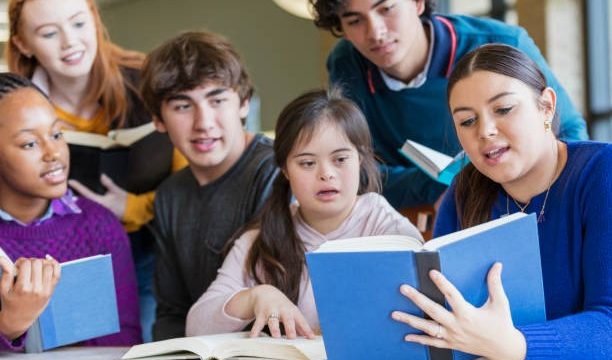
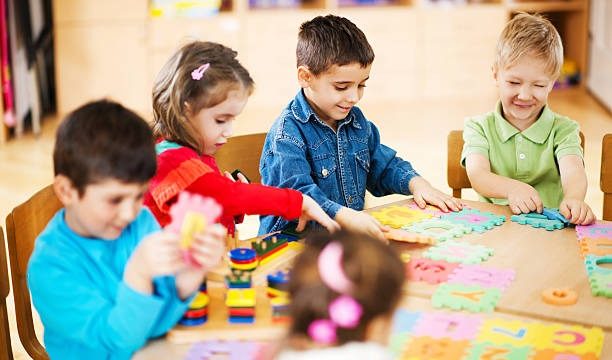
Collaboration among peers is another vital component of playful education. Group activities can promote social skills, empathy, and communication. Engaging in problem-solving tasks together, whether building a structure with blocks or conducting a science experiment, encourages teamwork and teaches children how to navigate relationships. These interactions are fundamental not only for academic success but also for building a strong foundation for future social interactions.
As we embrace playful education techniques, it’s essential to remember that each child is unique. Tailoring activities to individual interests and learning styles can enhance the effectiveness of these methods. Some children may thrive in a more hands-on environment, while others may prefer creative expression. By observing and understanding the diverse needs of learners, educators can create personalized experiences that resonate with each child.
The journey of playful education is not just about academic achievement; it’s about nurturing well-rounded individuals who are curious, creative, and confident. As we shift our perspective on education, we can foster a culture that values play as an integral part of learning. By embracing these techniques, we can create environments where children feel inspired to explore, discover, and develop a lifelong love for learning.
In a world where the pressure of performance often overshadows the joy of learning, playful education techniques remind us of the importance of balance. By prioritizing play, we can create pathways to knowledge that are not only effective but also enjoyable. Let us champion these approaches, allowing the next generation to learn in ways that are vibrant, engaging, and full of life. After all, learning should be a joyful journey, one that ignites passion and curiosity in every child.