Understanding emotions is a fundamental part of growing up, yet it can often feel like a daunting task for children.
Just as they learn to walk and talk, they also need guidance to navigate the complex landscape of feelings.
Encouraging kids to understand and express their emotions can be a transformative journey, and counseling can play a significant role in this process.
The journey begins with creating a safe space for children to explore their emotions. In a world that often prioritizes achievement and external validation, it’s easy for feelings to be overlooked or dismissed. Children may struggle to articulate their emotions, leading to frustration or even behavioral challenges. This is where the gentle hand of counseling can make a difference. A trained counselor can offer a nurturing environment where kids feel heard and understood, allowing them to express their feelings without judgment.
One of the key aspects of counseling is helping children identify their emotions. Kids often experience feelings that are new and overwhelming, and they may not have the vocabulary to describe what they’re going through. A counselor can introduce them to a range of emotions, using tools like emotion charts or storytelling. By labeling feelings, children begin to recognize their emotional states, transforming confusion into clarity. This process not only empowers them but also fosters a deeper understanding of themselves.
As kids learn to identify their emotions, they also benefit from exploring the reasons behind them. Why do they feel sad when a friend moves away? What triggers their excitement when anticipating a birthday? These questions can lead to valuable insights. Counseling encourages children to reflect on their experiences and understand the connections between their feelings and their actions. This self-awareness is a powerful tool that can help them navigate future challenges with greater ease.
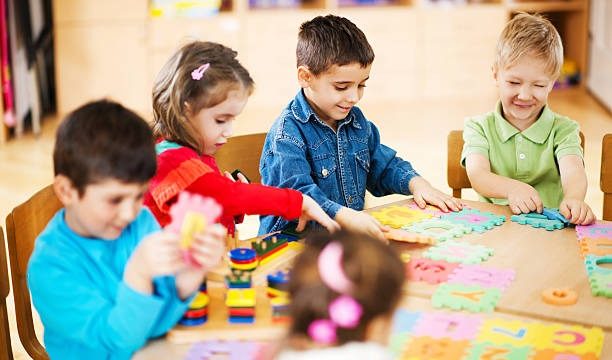
Counseling sessions often incorporate play therapy, which can be particularly effective for younger children. Through play, children can express their emotions in ways that feel natural and comfortable. They might use toys to recreate scenarios that reflect their feelings or engage in art activities to illustrate their emotional landscape. This playful approach not only makes the process enjoyable but also allows children to communicate complex emotions that they might struggle to verbalize.
A gentle shift toward emotional literacy is another vital component of this journey. By fostering a language around feelings, counselors help children articulate their experiences. This might involve teaching them phrases like, “I feel anxious when…” or “I am happy because…”. Such language skills enable kids to communicate their feelings more effectively, reducing the likelihood of misunderstandings with peers or family members. As they practice expressing themselves, they learn that it’s okay to share their emotions, fostering stronger connections with others.
The role of parents and caregivers cannot be underestimated in this process. Counseling often serves as a bridge between the child and their family. Counselors may involve parents in sessions or provide them with strategies to support their child’s emotional development at home. Encouraging open conversations about feelings within the family creates a culture of emotional awareness. When kids see their parents discussing emotions openly, they learn that it’s a normal part of life to express and explore feelings.
Moreover, modeling healthy emotional expression is crucial. Children are observant and often mimic the behavior of adults around them. If parents demonstrate how to handle stress, disappointment, or joy, children are more likely to adopt similar approaches. This modeling can be reinforced through counseling, where parents learn techniques to express emotions constructively and support their child’s emotional growth.
As children become more adept at recognizing and expressing their emotions, they often experience a boost in self-esteem. Understanding emotions helps them feel more in control of their lives, reducing feelings of helplessness. When faced with challenges, they are better equipped to cope, leading to resilience. Counseling can be a catalyst for this growth, guiding them through the ups and downs of life with a sense of confidence and self-assurance.
The benefits of emotional understanding extend beyond childhood. As kids grow into adolescents and adults, the skills they develop in counseling lay the foundation for healthy relationships and effective communication. They learn to navigate the complexities of human interactions, fostering empathy and compassion for others. In a world where emotional intelligence is increasingly recognized as a vital skill, the early investment in understanding emotions can lead to lifelong benefits.
Encouraging kids to understand their emotions through counseling is not just about addressing immediate challenges; it’s about equipping them with tools for life. This journey fosters a sense of security, allowing children to explore their feelings in a supportive environment. As they learn to articulate their emotions, they build a framework for understanding themselves and others, paving the way for healthier relationships and a more fulfilling life.
In conclusion, the path to emotional understanding for children is a vital part of their development. Counseling provides a nurturing environment where they can explore their feelings, learn to express themselves, and develop emotional literacy. With the support of counselors and parents, children not only gain insights into their emotions but also cultivate resilience and empathy that will serve them throughout their lives. Encouraging this understanding is a gift that lasts a lifetime, fostering a healthier, happier generation.