Encouraging Self-Awareness Through Child Counseling
In today’s fast-paced world, the journey of self-discovery can often feel overwhelming, especially for children navigating the complexities of growing up.
As they encounter new experiences, emotions, and social dynamics, fostering a sense of self-awareness becomes increasingly important.
Child counseling offers a supportive space for young individuals to explore their feelings and thoughts, helping them cultivate a deeper understanding of themselves.
Creating a safe haven
At its core, child counseling is about providing a nurturing environment where children can express themselves freely. This safe haven allows them to articulate their feelings without fear of judgment or misunderstanding. In this supportive setting, children learn that it’s okay to feel a range of emotions—from joy to frustration—and they can begin to unpack these feelings with the guidance of a trained professional.
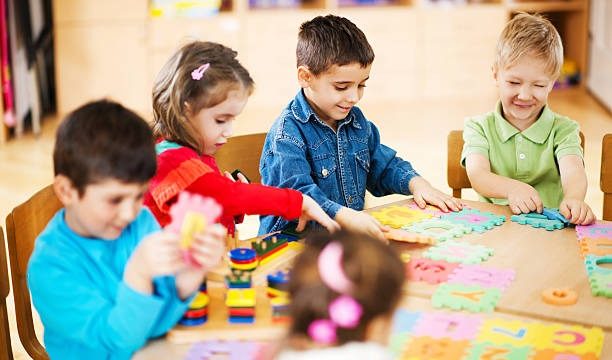
Counselors often use play therapy and creative arts to connect with children, making the process both engaging and insightful. Through these mediums, children can communicate what they might struggle to verbalize. Whether it’s through drawing, storytelling, or role-playing, these activities can reveal their inner thoughts and feelings, paving the way for greater self-awareness.
The journey of understanding emotions
One of the fundamental aspects of child counseling is helping children understand their emotions. Many young individuals experience feelings that can be confusing or overwhelming. By encouraging them to identify and express these emotions, counselors guide them toward recognizing patterns in their feelings and behaviors.
For instance, a child who often feels anxious before school might learn to identify the triggers of that anxiety. Through conversations and activities, they can explore how certain situations or thoughts contribute to their feelings. This exploration fosters emotional intelligence, equipping children with the tools to navigate their emotions more effectively in the future.
Building resilience through self-reflection
Self-awareness is not just about recognizing emotions; it also involves understanding one’s reactions and behaviors. Child counseling encourages children to reflect on their actions and the impact they have on themselves and those around them. This practice of self-reflection nurtures resilience, allowing children to learn from their experiences rather than feel defined by them.
When children engage in discussions about their choices, they begin to see that mistakes are part of learning and growth. This perspective is vital for developing a healthy self-image and a sense of agency. By embracing the idea that they can change and adapt, children build confidence in their ability to cope with challenges.
Fostering empathy and social awareness
As children gain a better understanding of themselves, they also become more attuned to the feelings of others. Child counseling often emphasizes the importance of empathy, helping children recognize that everyone has their own struggles and emotions. This social awareness is crucial in developing meaningful relationships and navigating social dynamics.
Through role-playing exercises and group activities, children learn to put themselves in others’ shoes. This practice not only enhances their ability to empathize but also strengthens their communication skills. As they become more aware of the emotions and perspectives of their peers, they are better equipped to respond thoughtfully and compassionately.
The role of supportive adults
Parents and caregivers play a significant role in a child’s journey toward self-awareness. By fostering open communication at home, adults can reinforce the lessons learned in counseling. Encouraging children to express their feelings and thoughts creates an atmosphere where self-awareness can flourish.
Additionally, adults can model healthy emotional expression and self-reflection. When children see their parents navigating their own emotions and discussing them openly, they learn that it’s a natural part of life. This modeling helps children feel more comfortable engaging in their own self-exploration.
A small shift toward balance
As children develop self-awareness through counseling, they often find themselves better equipped to manage stress and anxiety. This newfound balance can lead to improved focus, better relationships, and an overall sense of well-being. It’s essential to recognize that this process takes time and patience. Each child’s journey is unique, and progress may come in small, gradual shifts.
Encouraging self-awareness is not about pushing children to conform to societal expectations but rather allowing them to explore their identities authentically. Child counseling provides the tools and support necessary for this exploration, empowering children to embrace their individuality while navigating the complexities of life.
The lasting impact of self-awareness
The benefits of fostering self-awareness extend far beyond childhood. As children grow into adolescence and adulthood, the skills they develop in counseling can serve as a foundation for their emotional and mental well-being. Self-aware individuals are often more resilient, better at managing relationships, and equipped to face life’s challenges with a balanced perspective.
Moreover, self-awareness can lead to a more fulfilling life, as individuals learn to pursue their passions and values with clarity. By encouraging self-awareness through child counseling, we are not only helping children navigate their current challenges but also setting them on a path toward a more meaningful and connected life.
In conclusion, child counseling offers a valuable opportunity for young individuals to cultivate self-awareness in a supportive environment. By exploring their emotions, reflecting on their behaviors, and developing empathy, children can embark on a journey of self-discovery that enriches their lives. As they learn to understand themselves, they also gain the skills necessary to navigate the world around them with confidence and compassion. In nurturing self-awareness, we help children build a brighter future, one that is grounded in understanding, resilience, and authenticity.