Finding balance in a child’s life can sometimes feel like a daunting task.
With the pressures of school, social interactions, extracurricular activities, and the ever-present influence of technology, children can easily become overwhelmed.
As parents, we want our children to thrive, but sometimes it’s hard to know how to help them navigate these challenges.
Child counseling can be a gentle yet effective way to assist kids in finding their footing and achieving a sense of balance.
Understanding the landscape of childhood today is crucial. Children are growing up in a fast-paced world where information is constantly at their fingertips. While this can be empowering, it can also lead to anxiety and stress. The expectations placed upon them, whether from peers, parents, or society, can weigh heavily on their young shoulders. In this environment, child counseling offers a safe space for kids to express their feelings and learn coping strategies.
A small shift toward balance
Child counseling is not just for children in crisis; it can be a beneficial resource for any child facing the everyday pressures of life. It provides an opportunity for children to explore their thoughts and emotions in a supportive environment. A counselor can help them identify stressors and develop healthy coping mechanisms, allowing them to regain a sense of control over their lives.
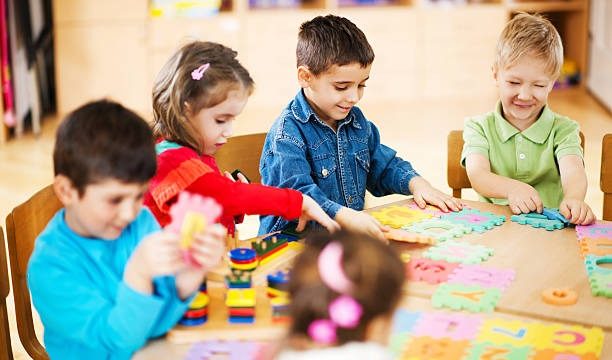
Counseling sessions can vary in approach, often incorporating play therapy, art, or storytelling. These methods allow children to communicate in ways that feel natural to them. For instance, a child may feel more comfortable expressing their feelings through a drawing rather than verbalizing them. This creative outlet can be incredibly therapeutic, helping them to process emotions they may not fully understand.
Building resilience through support
One of the most significant benefits of child counseling is the development of resilience. Resilience is the ability to bounce back from adversity, and it’s a skill that can be nurtured from a young age. Counselors work with children to help them recognize their strengths and learn to face challenges with confidence. Through various techniques, they can guide kids in reframing negative thoughts, fostering a more positive mindset.
As children learn to articulate their feelings and experiences, they often begin to understand that it’s okay to ask for help. This realization is a vital step toward balance. Children who feel supported and understood are more likely to develop healthy relationships with themselves and others. They learn that seeking assistance is not a sign of weakness, but rather a courageous step toward personal growth.
Creating a supportive environment at home
While counseling can play a significant role in helping children find balance, the home environment is equally important. Parents can create a nurturing atmosphere by fostering open communication. Encouraging children to share their thoughts and feelings without fear of judgment can significantly impact their emotional well-being. Simple conversations about their day, their worries, or even their joys can help children feel valued and understood.
Being present is another crucial aspect of this supportive environment. In our busy lives, it can be easy to overlook the importance of quality time. Dedicating moments to connect with your child, whether through shared activities or just sitting together, can help them feel grounded. These interactions reinforce the idea that they are not alone in their struggles, and that they have a loving support system to lean on.
The role of mindfulness in finding balance
In addition to counseling and supportive home environments, introducing mindfulness practices can also aid children in finding balance. Mindfulness encourages being present in the moment, which can help reduce anxiety and improve emotional regulation. Simple techniques like deep breathing, meditation, or even mindful walking can be integrated into a child’s daily routine. These practices can empower them to manage stress and cultivate a sense of calm amidst chaos.
Engaging in mindfulness as a family can further strengthen bonds. When parents and children practice together, it creates a shared experience that fosters connection and understanding. It also sets an example, showing children that taking time for mental wellness is a vital part of life.
Recognizing progress and celebrating small victories
As children embark on their journey toward balance, it’s essential to recognize and celebrate their progress, no matter how small. Encouraging children to acknowledge their achievements can boost their self-esteem and motivation. Whether they faced a challenging situation, learned a new coping skill, or simply had a good day, these moments of recognition can reinforce their efforts and resilience.
Counselors often emphasize the importance of self-compassion in this process. Teaching children to be kind to themselves, especially during tough times, can foster a healthier relationship with their emotions. When they learn to treat themselves with the same compassion they would offer a friend, they become better equipped to handle life’s ups and downs.
A journey toward balance
Helping children find balance is a journey that requires patience, understanding, and a bit of guidance. Child counseling can provide a supportive framework for children to explore their emotions, develop resilience, and learn valuable life skills. By fostering open communication at home, introducing mindfulness practices, and celebrating their progress, parents can play an integral role in their child’s journey.
Ultimately, the goal is to empower children to navigate the complexities of life with confidence and grace. By equipping them with the tools they need to find balance, we are helping to lay the foundation for a healthier, happier future. It’s a beautiful journey, one that can lead not just to balance, but also to a deeper connection between parents and their children. In this fast-paced world, nurturing that connection is perhaps one of the most rewarding paths we can take together.