A positive start with early numeracy programs
In the world of early childhood education, there is a growing recognition of the importance of numeracy in shaping a child’s future.
While we often think of literacy as the cornerstone of a child’s learning journey, numeracy is equally vital.
It is not just about numbers; it’s about fostering a sense of curiosity and encouraging problem-solving skills that will serve children throughout their lives.
Early numeracy programs are designed to create a strong foundation in mathematics, and when approached with warmth and creativity, they can be a gateway to a lifelong love of learning.
The journey of early numeracy begins in the most unexpected places. Children encounter numbers and shapes in their everyday lives, whether they are counting blocks during playtime or sorting their toys by size and color. These interactions, although seemingly simple, lay the groundwork for more complex mathematical concepts. Early numeracy programs harness these natural learning opportunities, allowing children to explore and engage in mathematical thinking in a playful and meaningful way.
A gentle introduction to numbers
One of the most enriching aspects of early numeracy programs is the way they introduce numbers and mathematical concepts in a gentle manner. Instead of focusing solely on rote memorization of numbers or formulas, these programs encourage children to engage with numbers through stories, songs, and hands-on activities. This playful approach helps children develop a positive attitude toward math, making it a fun and enjoyable part of their daily routine.
For instance, consider a simple storytime session where characters go on adventures that involve counting, measuring, or comparing. As children listen, they are not just passive recipients of information; they are actively thinking about the concepts being presented. This type of engagement fosters a deeper understanding of numbers as they relate to the world around them. By integrating math into storytelling, early numeracy programs create rich learning experiences that resonate with young minds.
Creating connections through play
Play is a powerful tool in early childhood education, and its role in early numeracy cannot be overstated. When children engage in play, they are naturally inclined to experiment, explore, and discover. Early numeracy programs often incorporate games and activities that encourage children to use math in a playful context. Whether it’s building with blocks, playing with puzzles, or engaging in role-play scenarios that involve counting and measuring, these activities help children make meaningful connections between math and their everyday experiences.
Imagine a group of children gathered around a table, collaborating on a project that involves measuring ingredients for a pretend bakery. As they pour, mix, and create, they are not only honing their fine motor skills but also practicing essential math concepts like volume and measurement. This kind of experiential learning fosters a sense of accomplishment and boosts confidence, making children more willing to tackle math challenges in the future.
Nurturing confidence and resilience
The emotional aspect of learning is just as important as the intellectual. Early numeracy programs are designed to nurture not only the cognitive skills associated with math but also the confidence and resilience that come from problem-solving. When children are encouraged to explore different ways to approach a math problem, they learn that mistakes are part of the process. This mindset is crucial for developing a healthy relationship with learning.
In a supportive environment, children can take risks and experiment with numbers without the fear of failure. This supportive approach builds resilience and encourages them to view challenges as opportunities for growth. As they learn to navigate mathematical concepts, they also develop a sense of perseverance that will benefit them in all areas of life.
Family involvement for a holistic approach
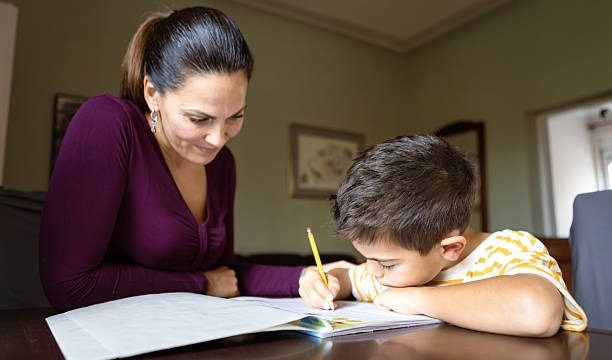
The journey of early numeracy extends beyond the classroom. Family involvement is a key component of successful early numeracy programs. When parents and caregivers engage with their children in math-related activities at home, they reinforce the concepts learned in school and create a cohesive learning experience. Simple activities like counting items during grocery shopping, measuring ingredients while cooking, or playing math games together can make a significant impact.
Furthermore, family engagement fosters a sense of community and connection. When parents share their own experiences with math, whether positive or negative, they help children understand that everyone has a unique relationship with numbers. This openness can demystify math, making it less intimidating and more accessible.
A lifelong love of learning
At its core, early numeracy is about more than just preparing children for future academic success; it’s about instilling a love of learning that lasts a lifetime. When children are introduced to math in a positive and engaging way, they are more likely to develop an intrinsic motivation to explore mathematical concepts further. Early numeracy programs aim to ignite that spark of curiosity, encouraging children to ask questions, seek answers, and embrace challenges.
As children grow and progress through their educational journeys, the skills and attitudes cultivated through early numeracy will serve them well. They will approach math not as a series of hurdles to overcome but as a fascinating world to explore. This mindset is a gift that can shape their academic paths and personal lives, empowering them to tackle whatever challenges come their way.
In conclusion, early numeracy programs play a vital role in shaping a child’s relationship with math. By introducing numbers and mathematical concepts in a gentle and engaging manner, these programs nurture curiosity, confidence, and resilience. The integration of play, family involvement, and a focus on emotional well-being creates a rich, supportive environment for young learners. Ultimately, the goal is to foster a lifelong love of learning, ensuring that children not only excel in math but also embrace the joy of discovery throughout their lives. As we support our youngest learners on this journey, we are not just nurturing future mathematicians; we are cultivating thoughtful, inquisitive individuals ready to explore the world around them.