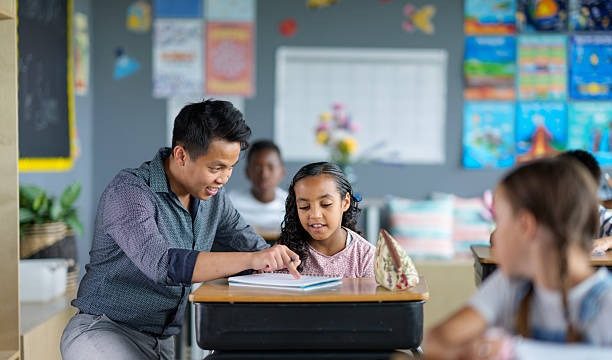
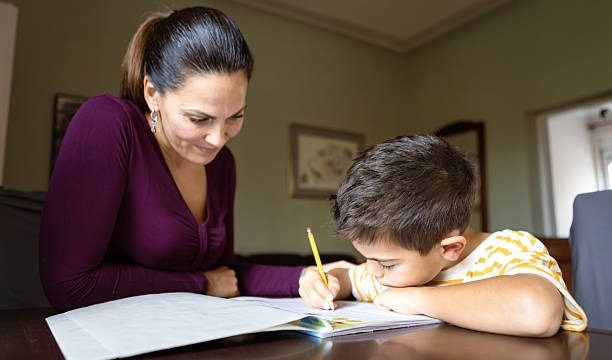
In recent years, the classroom environment has undergone a remarkable transformation, largely driven by the integration of technology.
One of the most significant advancements in this realm is the emergence of artificial intelligence.
Teachers are embracing AI not just as a tool but as a partner in creating a more efficient and engaging educational experience.
By weaving AI into their daily routines, educators are finding new ways to enhance learning while also nurturing their own well-being.
A gentle introduction to AI in education
Imagine walking into a classroom where the atmosphere buzzes with excitement, and every student feels seen and supported. This is the vision many teachers have as they incorporate AI into their teaching practices. At its core, AI helps streamline administrative tasks, allowing educators to focus more on what truly matters: their students. With the help of AI, teachers can manage their time more effectively, leading to a more harmonious balance between their professional responsibilities and personal lives.
One of the most significant ways AI contributes to classroom efficiency is through automation. For instance, grading can be a time-consuming task, often leaving teachers with little time for lesson planning or one-on-one interactions with students. AI-powered tools can assist in grading assignments, quizzes, and even providing instant feedback. This not only saves time but also empowers teachers to provide more personalized learning experiences tailored to each student’s needs.
Creating a nurturing environment
In a world that often feels fast-paced and overwhelming, teachers strive to create a nurturing environment for their students. AI can play a vital role in this endeavor by facilitating a deeper understanding of individual learning styles. With AI analytics, educators can gather insights about student performance, engagement levels, and even emotional well-being. This data helps teachers identify areas where students may struggle, allowing for timely interventions and support. By fostering a more personalized approach, educators can cultivate a classroom atmosphere where every student feels valued and understood.
Moreover, AI can enhance communication between teachers and parents. With tools that automate updates on student progress, attendance, and upcoming assignments, parents can stay informed and engaged in their child’s education. This partnership between home and school creates a supportive network, ultimately benefiting the students themselves. When parents and teachers collaborate, they can address challenges more effectively, ensuring that each child receives the attention they deserve.
A small shift toward balance
As educators navigate the ever-evolving landscape of teaching, the balance between technology and human connection remains crucial. While AI offers numerous advantages, it is essential to remember that the heart of education lies in relationships. Teachers who use AI tools often find that they can spend more time building connections with their students. With administrative tasks streamlined, educators can engage in meaningful conversations, fostering trust and understanding within the classroom.
Additionally, teachers can utilize AI to create dynamic and interactive learning experiences. Virtual assistants and educational apps can provide students with personalized learning paths, helping them progress at their own pace. This not only encourages self-directed learning but also boosts students’ confidence as they achieve their goals. By embracing AI, teachers are not replacing their roles but rather enhancing their ability to guide and inspire the next generation.
Promoting creativity and innovation
Incorporating AI into the classroom also opens the door to creative teaching methods. Educators can explore innovative lesson plans that leverage technology to engage students more fully. For example, AI-driven simulations can transport students to historical events or scientific phenomena, making learning immersive and exciting. This creativity can reignite a teacher’s passion for their subject, making the act of teaching a joyful and fulfilling experience.
Furthermore, AI can help teachers adapt their lessons to cater to diverse learning needs. With tools that suggest resources based on individual student performance, educators can ensure that every child has access to materials that resonate with them. This adaptability fosters a sense of belonging in the classroom, where all students can thrive.
Mindful integration of technology
As we embrace the benefits of AI in education, it’s essential to approach its integration mindfully. Teachers are encouraged to select tools that align with their teaching philosophy and the needs of their students. By being intentional about the technology they use, educators can create a balanced environment that values both innovation and human connection.
Moreover, ongoing professional development is crucial in navigating this landscape. Teachers can participate in workshops and training sessions to stay informed about the latest AI tools and strategies. This not only enhances their skills but also builds a community of educators who share insights and experiences. In this way, teachers can support one another in their journey toward more efficient and effective classrooms.
A brighter future for education
As we look ahead, the potential for AI in education appears boundless. Teachers who embrace this technology are not only enhancing classroom efficiency but also cultivating a brighter future for their students. By automating mundane tasks, personalizing learning experiences, and fostering collaboration, AI empowers educators to focus on what truly matters: inspiring and nurturing the minds of young learners.
In conclusion, the integration of AI in the classroom is not merely a trend but a profound shift towards a more efficient and connected educational experience. Teachers who harness the power of this technology are paving the way for a future where every student can thrive. With a focus on balance, creativity, and mindfulness, educators can continue to inspire the next generation, ensuring that the classroom remains a place of growth, discovery, and joy.