In today’s rapidly changing world, technology has woven itself into the fabric of our daily lives, transforming the way we work, communicate, and learn.
This evolution is especially evident in our classrooms, where traditional teaching methods meet innovative tools, creating an educational experience that is as dynamic as the students themselves.
The integration of technology in education is not just about using new gadgets; it’s about enhancing the learning experience, fostering engagement, and preparing students for a future that is increasingly digital.
The classroom of today is no longer confined to four walls. With the rise of online learning platforms, students can access a wealth of information and resources from anywhere in the world. This shift has opened doors to diverse learning opportunities. Imagine a student in a small town participating in a virtual science lab with peers from different continents. This global approach not only enriches their understanding but also cultivates a sense of community and collaboration among learners.
A gentle integration of technology can create a more personalized learning experience. Educators are now able to tailor lessons to meet the unique needs of each student. Adaptive learning technologies can assess a student’s strengths and weaknesses in real-time, adjusting the curriculum accordingly. This means that a student struggling with math concepts can receive additional support, while another who excels can delve deeper into advanced topics. Such personalization empowers students, allowing them to take ownership of their learning journey.
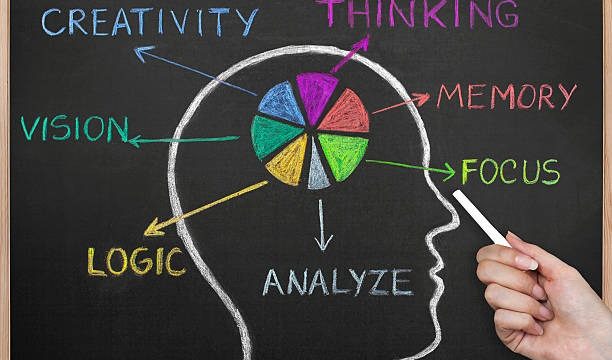
Incorporating technology into teaching also encourages creativity and critical thinking. Many educators are utilizing project-based learning, where students use technology to research, create, and present their ideas. This method not only engages students but also helps them develop essential skills for the future. For instance, a group project might involve creating a video presentation or developing a website, tasks that require collaboration, problem-solving, and innovative thinking. In this environment, students learn to express their ideas and viewpoints, fostering a sense of confidence and self-worth.
One of the most significant advantages of technology-enhanced teaching is the ability to provide instant feedback. In traditional settings, students often wait days or even weeks to receive feedback on their work. With digital tools, assessments can be completed and graded in real-time, allowing students to understand their mistakes and learn from them almost immediately. This timely feedback loop can be incredibly motivating, encouraging students to improve and strive for excellence.
While the benefits of technology in education are numerous, it is essential to approach this shift with balance. Technology should not replace the invaluable human connection that exists in a classroom. Teachers play a crucial role in guiding, mentoring, and inspiring students. The best learning experiences often stem from the relationships built between educators and their students. Therefore, integrating technology should be seen as a complement to, rather than a substitute for, traditional teaching methods.
As we embrace this new era of education, it is also vital to consider the digital divide. Not every student has equal access to technology, and this disparity can create challenges in the learning process. Schools and communities must work together to ensure that all students have the resources they need to succeed. This might involve providing devices, improving internet access, or offering training for both students and parents. By addressing these issues, we can create a more equitable learning environment for everyone.
In the midst of all these advancements, it’s easy to overlook the importance of fostering a healthy relationship with technology. While it can enhance learning, excessive screen time can lead to burnout and disengagement. Educators and parents alike should encourage students to take breaks, engage in physical activities, and pursue hobbies outside the digital realm. Cultivating a balanced lifestyle is essential for overall well-being and can lead to more productive learning experiences.
As we look to the future of education, it’s clear that technology will continue to play a pivotal role. However, it’s essential to remember that the heart of education lies in the connections we build and the values we instill. Teaching students to be critical thinkers, compassionate individuals, and lifelong learners is the ultimate goal, and technology can be a powerful ally in this endeavor.
In this ever-evolving landscape, educators are becoming facilitators of learning rather than mere transmitters of knowledge. They are harnessing technology to create environments where curiosity thrives and students feel empowered to explore their interests. This shift encourages a love for learning that extends beyond the classroom, inspiring students to seek knowledge in all aspects of their lives.
In conclusion, technology-enhanced teaching offers a wealth of opportunities for today’s classrooms. By integrating innovative tools with thoughtful instruction, we can create engaging, inclusive, and personalized learning experiences. As we navigate this journey, let us prioritize balance, connection, and equity, ensuring that every student has the chance to thrive in an increasingly digital world. Together, we can foster an educational landscape that not only prepares students for the future but also nurtures their passion for learning today.