In the world of education, the landscape is constantly evolving.
As technology continues to weave itself into the fabric of learning, one of the most significant advancements has been the implementation of real-time feedback.
This approach not only enhances the educational experience but also addresses the diverse needs of students.
By understanding the benefits of real-time feedback, we can appreciate its role in fostering a more supportive and effective learning environment.
The essence of real-time feedback lies in its immediacy. Traditional feedback often comes after assignments are graded, leaving students with little opportunity to reflect on their performance and make necessary adjustments. In contrast, real-time feedback provides instantaneous insights that enable students to grasp concepts as they learn. This immediacy transforms the learning process into a dynamic dialogue between students and educators, promoting a deeper understanding of the material.
One of the most remarkable aspects of real-time feedback is its ability to foster a growth mindset among students. When learners receive feedback promptly, they are more likely to view challenges as opportunities for improvement rather than insurmountable obstacles. This shift in perspective can be incredibly empowering, encouraging students to take risks and explore new ideas without the fear of failure looming overhead. By nurturing a growth mindset, real-time feedback helps students to embrace their educational journey with confidence and curiosity.
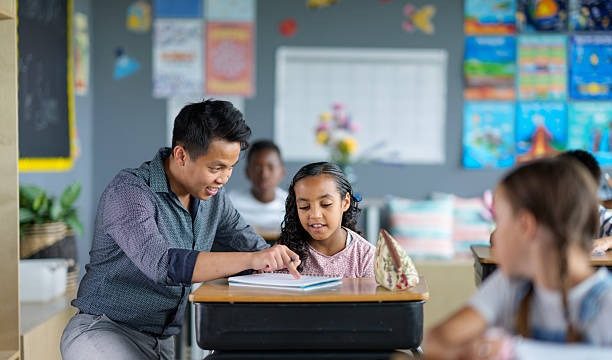
Additionally, real-time feedback creates a sense of connection between students and their teachers. The immediate nature of this feedback allows educators to address misunderstandings and misconceptions as they arise. This ongoing communication can help build trust, making students feel more supported and valued in their learning environment. When students know their teachers are invested in their success, they are more likely to engage actively in their studies, leading to a richer educational experience.
A significant advantage of real-time feedback is its adaptability. In a classroom setting, every student comes with unique strengths and challenges. Real-time feedback allows educators to tailor their responses to individual needs, ensuring that each learner receives the guidance necessary to thrive. This personalized approach not only helps students grasp complex concepts but also promotes a sense of ownership over their learning. When students feel that their specific needs are being met, they are more likely to become motivated and engaged in their academic pursuits.
Moreover, real-time feedback can enhance self-regulation skills in students. As they receive immediate responses to their work, students learn to assess their own understanding and performance more effectively. This process encourages them to take responsibility for their learning, setting goals and tracking their progress over time. The development of self-regulation skills is invaluable, as it equips students with the tools they need to navigate their academic journeys with greater independence and confidence.
In the realm of collaborative learning, real-time feedback shines brightly. Group projects and peer assessments benefit greatly from this approach, as students can provide and receive feedback from their peers in real time. This interaction not only fosters a sense of community but also encourages critical thinking and effective communication skills. By engaging in constructive dialogue with their peers, students learn to articulate their thoughts clearly and consider alternative perspectives. This collaborative spirit can lead to deeper insights and richer learning experiences.
A small shift toward balance is also evident in the way real-time feedback can help reduce anxiety among students. The anticipation of waiting for grades can be nerve-wracking, often leading to stress and self-doubt. In contrast, receiving feedback in real time allows students to understand their performance without prolonged uncertainty. This timely communication can alleviate pressure and create a more relaxed learning atmosphere, enabling students to focus on their studies rather than worrying about outcomes.
The role of technology in facilitating real-time feedback cannot be overlooked. With the advent of various educational tools and platforms, teachers can easily provide immediate insights on assignments and assessments. These digital solutions often come with features that allow for interactive learning, enabling students to engage with the material in innovative ways. As technology continues to advance, the possibilities for real-time feedback will only expand, further enriching the educational experience.
As we look to the future of education, the benefits of real-time feedback will undoubtedly continue to play a crucial role in shaping the way students learn. By fostering a growth mindset, enhancing self-regulation skills, and promoting collaboration, real-time feedback creates a supportive environment where students can thrive. This approach not only empowers learners to take charge of their education but also cultivates a love for learning that can last a lifetime.
In conclusion, the integration of real-time feedback into the educational landscape offers a multitude of benefits for students. By promoting immediate communication, fostering a growth mindset, and enhancing self-regulation skills, this approach helps create a more engaging and supportive learning environment. As educators and students continue to navigate this evolving landscape, the power of real-time feedback will undoubtedly remain a guiding force, paving the way for a brighter and more connected future in education.