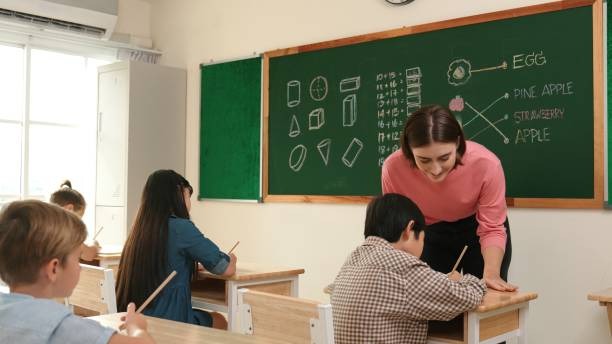
In a world that is constantly changing, where technology evolves and industries reshape themselves almost overnight, the ability to adapt is more crucial than ever.
As we navigate through our education systems, it’s essential to consider paths that not only impart knowledge but also cultivate this vital skill.
Education is not just about learning facts and figures; it’s about preparing for a future that is as unpredictable as it is exciting.
The journey of education has traditionally been viewed through a linear lens, where students follow a set path from primary school to higher education and into the workforce. However, this classical approach often overlooks the importance of flexibility and adaptability. Today, we are beginning to recognize that education should be a dynamic process, encouraging students to think critically, innovate, and embrace change.
One promising avenue is the integration of interdisciplinary studies. Instead of confining students to a single field of study, programs that blend subjects like science, technology, arts, and humanities allow learners to draw connections between diverse areas of knowledge. This approach not only enriches their understanding but also equips them with a broader skill set. A student who studies environmental science alongside art, for example, may find creative solutions to ecological challenges, blending analytical and creative thinking in ways that are increasingly valuable in the modern workforce.
Another important aspect of education that fosters adaptability is experiential learning. This method emphasizes learning through experience and reflection, allowing students to engage with real-world challenges. Internships, service-learning projects, and hands-on workshops encourage students to step out of their comfort zones, develop problem-solving skills, and learn to navigate uncertainty. When students face real-life situations, they learn to think on their feet, make decisions, and adapt their strategies as needed. This kind of learning not only builds resilience but also instills a sense of confidence that can carry them through future challenges.
Incorporating technology into education also plays a significant role in promoting adaptability. With the rapid advancement of digital tools, students today have access to a wealth of information and resources that were unimaginable just a few decades ago. Online courses, virtual classrooms, and educational apps can provide tailored learning experiences that cater to individual needs and preferences. By engaging with technology, students learn to utilize new tools, adapt to various platforms, and find innovative ways to express their ideas. This fluency in technology not only prepares them for current job markets but also positions them to pivot as new technologies emerge.
Moreover, fostering a growth mindset within educational environments is essential. This concept, popularized by psychologist Carol Dweck, suggests that intelligence and abilities can be developed through dedication and hard work. When educators encourage a growth mindset, they help students view challenges as opportunities for growth rather than obstacles. This shift in perspective can lead to increased resilience and a willingness to embrace change. Schools and universities that cultivate an environment where effort is praised and failure is viewed as a stepping stone to success create a culture of adaptability that can last a lifetime.
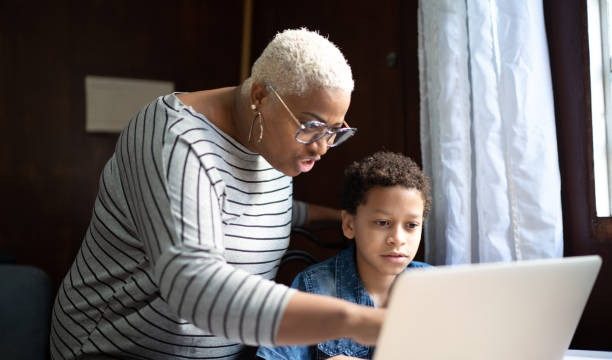
As we explore various educational paths, it’s also important to highlight the role of mentorship. Connecting students with mentors who can provide guidance and support can significantly influence their adaptability. Mentors bring a wealth of experience and knowledge, helping students navigate their educational journeys and career choices. These relationships can inspire students to explore new ideas, take calculated risks, and develop a network that will serve them well in their future endeavors. A supportive mentor can be a crucial anchor in a student’s life, guiding them through the complexities of education and career planning.
In addition to formal education, lifelong learning is becoming an essential component of adaptability. The notion that education stops after graduation is increasingly outdated. In today’s world, the most successful individuals are those who commit to ongoing learning and self-improvement. This could involve taking online courses, attending workshops, or simply reading widely. By embracing a habit of lifelong learning, individuals can stay current with trends in their fields and develop new skills that keep them relevant in an ever-changing job market.
Cultivating emotional intelligence is another key factor in fostering adaptability. Understanding and managing one’s emotions, as well as recognizing and empathizing with the emotions of others, is invaluable in both personal and professional settings. Educational programs that include social-emotional learning help students build these essential skills, enabling them to navigate relationships and workplace dynamics with ease. When students develop strong emotional intelligence, they become more adaptable, better equipped to handle stress, and capable of collaborating effectively with diverse groups of people.
As we look toward the future, it’s clear that education must evolve to meet the demands of a changing world. By embracing interdisciplinary approaches, experiential learning, technology integration, mentorship, lifelong learning, and emotional intelligence, we can create educational paths that not only prepare students for the challenges ahead but also empower them to thrive in an unpredictable landscape.
In conclusion, adaptability is not just a skill; it’s a mindset that can be nurtured through thoughtful educational practices. As we encourage students to embrace change, think critically, and engage with the world around them, we are not only preparing them for their careers but also equipping them with the tools they need to lead fulfilling, resilient lives. The journey of education is a lifelong adventure, and the paths we choose can lead to a future filled with possibility and growth.