In recent years, the landscape of education has been evolving in ways that many of us could only dream of a decade ago.
The rise of technology and a shift in societal values have paved the way for a new approach to learning that prioritizes flexibility, accessibility, and personalization.
This growing popularity of flexible learning is not just a trend; it represents a profound shift in how we think about education and its role in our lives.
A small shift toward balance
Flexible learning offers a refreshing alternative to traditional educational models. With its roots in the desire for a more balanced lifestyle, this approach allows learners to tailor their educational experiences to fit their unique needs. Instead of adhering to a rigid schedule, students now have the freedom to choose when, where, and how they learn. This flexibility accommodates various lifestyles, making education more accessible to everyone—from busy professionals to parents juggling multiple responsibilities.
As we navigate the complexities of modern life, the appeal of flexible learning becomes increasingly evident. Imagine being able to study for a degree while managing a full-time job or raising a family. The ability to learn at one’s own pace can alleviate stress and create a more harmonious balance between personal and professional commitments. This sense of control over one’s educational journey often leads to increased motivation and engagement.
The role of technology
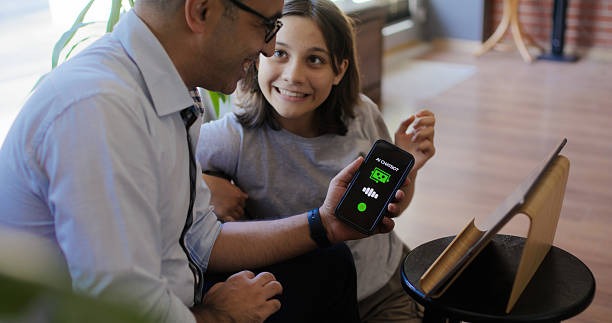
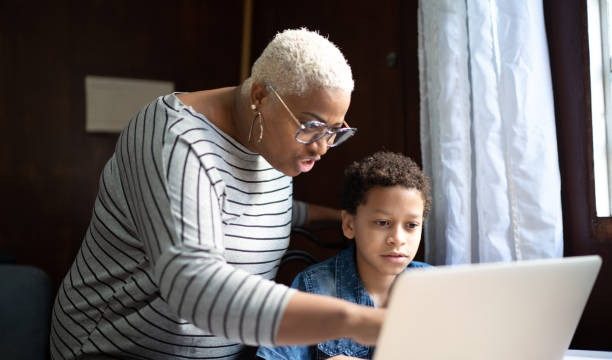
At the heart of this transformation is technology, which has opened up a world of possibilities for learners. Online courses, webinars, and digital resources allow individuals to access high-quality educational materials from the comfort of their homes. Whether it’s watching a lecture in pajamas or participating in a live discussion during lunch breaks, technology has made learning more convenient than ever.
Moreover, the internet has created a vast community of learners and educators who share knowledge and support one another. Social media platforms and online forums enable students to connect, ask questions, and collaborate on projects, fostering a sense of belonging that can sometimes be missing in traditional classroom settings. This sense of community is essential, as it not only enhances the learning experience but also encourages lifelong learning.
Personalized learning experiences
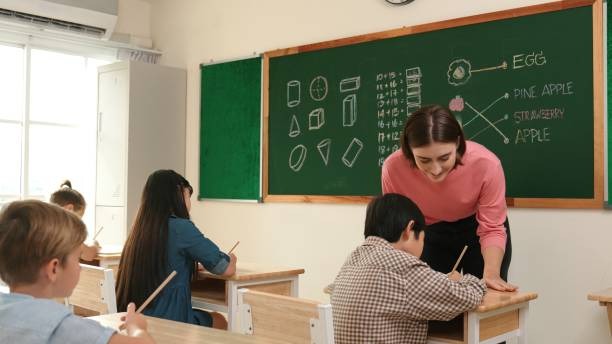
One of the most significant advantages of flexible learning is its ability to cater to individual needs. Traditional education often follows a one-size-fits-all model, which can leave some students feeling overlooked or disengaged. In contrast, flexible learning allows for personalized experiences that can be adapted to suit different learning styles and preferences.
For instance, a visual learner may thrive in an environment that incorporates videos and interactive content, while an auditory learner might benefit from podcasts and discussions. This recognition of diverse learning styles empowers students to take charge of their education and pursue their passions in a way that resonates with them. As a result, we see an increase in creativity, innovation, and critical thinking—skills that are essential in today’s fast-paced world.
The impact on mental well-being
As we embrace flexible learning, it’s essential to acknowledge its potential impact on mental well-being. The pressures of traditional education can often lead to stress, anxiety, and burnout. The flexibility offered by modern learning environments can mitigate these challenges by allowing students to learn at their own pace and take breaks when needed.
This approach encourages a healthier relationship with education, where learning becomes a lifelong journey rather than a race to the finish line. Students can take the time to explore topics that genuinely interest them, fostering a love for learning that transcends the confines of a classroom. This shift not only benefits individual learners but also contributes to a more educated and thoughtful society.
The future of education
As we look ahead, the growing popularity of flexible learning raises important questions about the future of education. Will traditional institutions adapt to this new paradigm, or will we see the rise of entirely new models that prioritize flexibility and personalization? It’s likely that we will witness a blend of both, with established institutions incorporating flexible options alongside their traditional offerings.
This evolution presents exciting opportunities for educators as well. Teachers and trainers can embrace new technologies and teaching methods, enriching their own professional development while enhancing the learning experiences of their students. The potential for collaboration between educators and learners is vast, and as we continue to explore these possibilities, we may find ourselves in a more interconnected and supportive educational landscape.
A gentle reminder to embrace change
In this era of change, it’s important to remain open to the possibilities that flexible learning presents. While the transition may feel daunting for some, it is essential to remember that learning is a personal journey, unique to each individual. By embracing flexibility, we allow ourselves the opportunity to grow, adapt, and flourish in ways we may not have imagined.
As we navigate this evolving educational landscape, let us celebrate the beauty of choice and the power of connection. Whether you’re a student seeking knowledge or an educator guiding others, the path to learning can be as diverse and vibrant as the individuals who walk it. In this spirit, may we continue to explore the endless possibilities that flexible learning has to offer, creating a world where education is not just a destination, but a lifelong journey filled with discovery, growth, and joy.